Table of Contents
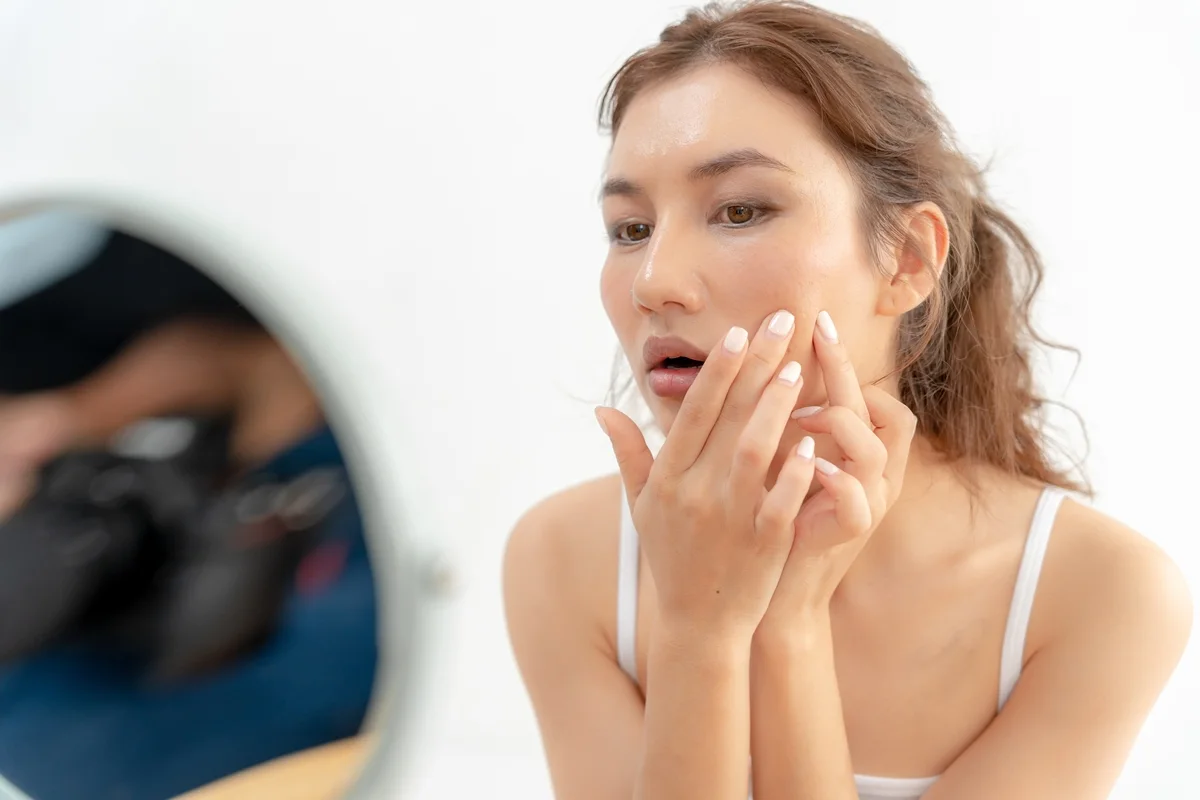
A few summers of sun exposure rarely show up right away. It is usually years later, looking in a mirror under good lighting, that the dark spots and blotchy patches finally register as uneven skin tone worth addressing.
At Natural Beauty Aesthetics, this is one of the most common concerns patients bring in for a first consultation. Which treatment actually works best for sun damage and dark spots depends mostly on how deep the discoloration sits and how widespread it is.
Which treatment actually works best for sun damage and dark spots?
The right option depends mostly on how deep the discoloration sits and how widespread it is. Surface level spots often respond well to a peel or resurfacing treatment, while more stubborn or deeper pigment usually calls for a more targeted laser approach.
Why Sun Damage and Dark Spots Cause Uneven Skin Tone
A few things happen when skin is exposed to UV rays repeatedly:
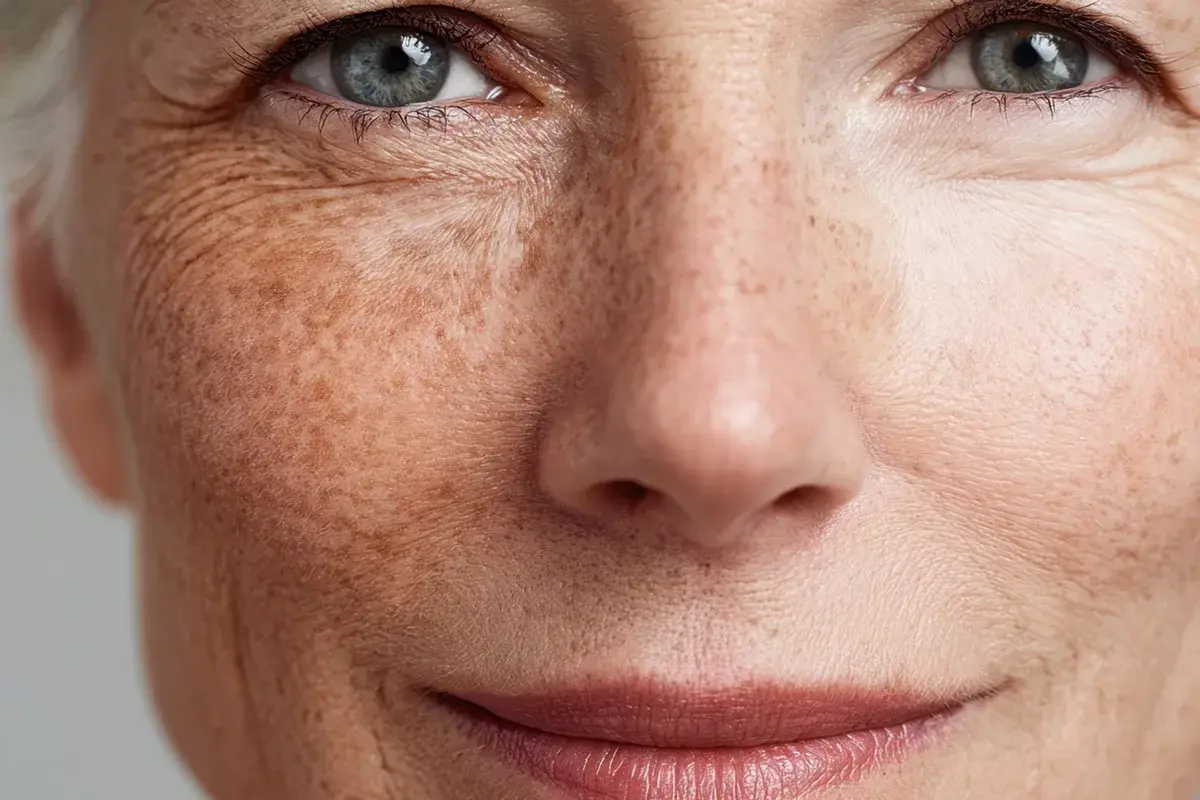
- UV exposure triggers excess melanin production in certain areas, which is what eventually shows up as a dark spot or patch
- Repeated sun exposure without consistent protection allows this irregularity to build gradually across the face
- Dark spots and general sun damage can look fairly similar on the surface but may sit at different depths within the skin
That depth difference matters more than it might seem, since it directly affects which treatment approach actually makes a visible difference for uneven skin tone.
What Actually Determines the Best Treatment Option
The depth of the pigment is the biggest factor here. Surface-level discoloration tends to respond well to treatments that work on the outer layers of skin, while deeper pigment changes usually need something that reaches further beneath the surface. Skin type and sensitivity also play a role, since some treatment intensities suit certain skin types better than others.
The extent of the discoloration matters too. A few isolated dark spots call for a different approach than broader, more generalized uneven tone across the cheeks or forehead. This is also where understanding early signs of sun damage in your 30s becomes useful, since catching discoloration early often means gentler treatment options are still on the table.
How Laser Treatments Address Sun Damage and Dark Spots
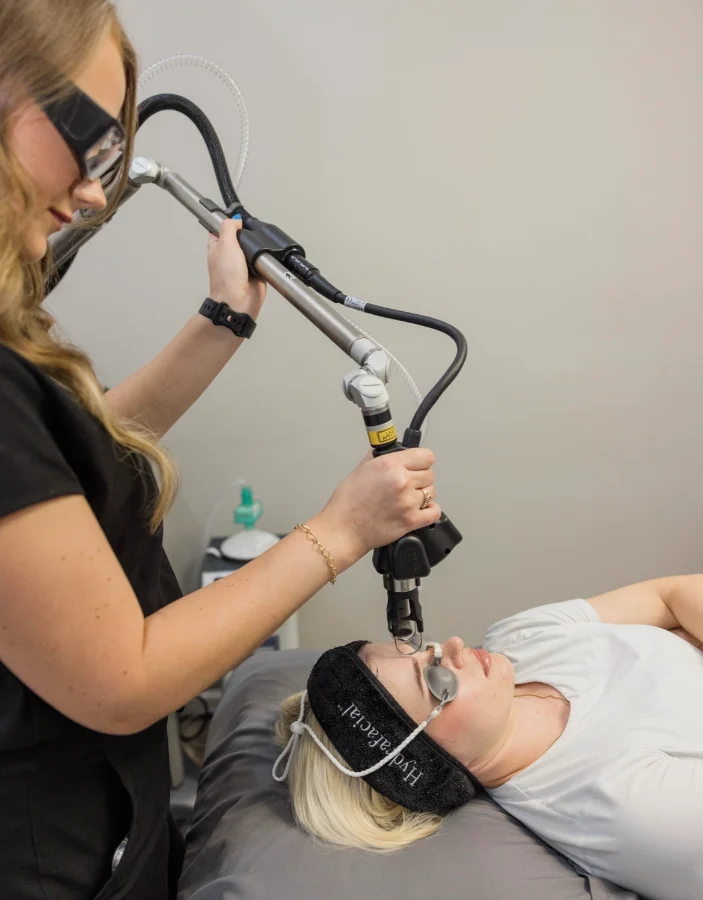
Laser treatments work by targeting pigment directly, breaking it down so the body can gradually clear it on its own. This approach tends to be well suited for more stubborn or deeper discoloration that has not responded much to topical treatments or milder resurfacing options.
Recovery time varies depending on the specific laser technology and intensity involved. Patients from Mount Olive and Goldsboro alike often ask about this kind of laser resurfacing for sun damage once at-home products stop making a visible difference. Some options involve very little downtime, while more aggressive settings may require a few days of redness or peeling before results settle in.
How Chemical Peels Address Sun Damage and Dark Spots
Peels work differently, removing the outer layers of skin to reveal smoother, more evenly toned skin underneath. This tends to be a good fit for milder sun damage or dark spots that sit closer to the surface, rather than pigment that has settled deeper into the skin.
Peel strength varies, so the right option depends on how much correction is needed. A gentler, more controlled option can work well for reducing dark spots caused by sun exposure and aging without the noticeable downtime associated with a stronger, more aggressive formula.
Which Option Fits Which Type of Discoloration
A quick way to think through the options:
- Isolated, surface-level dark spots often respond well to a peel or a more targeted topical approach
- Broader areas of sun damage, or pigment that has proven more stubborn, often call for laser treatment instead
- Combining both approaches is sometimes appropriate when a mix of surface-level spots and deeper discoloration is present
Professional treatments for dark spots and uneven pigmentation frequently involve exactly this kind of layered plan, built around what is actually present. Patients coming in from La Grange for skin rejuvenation often start with exactly this kind of assessment before deciding on one approach or a combination.
Learning more about uneven skin tone treatment options, or exploring laser resurfacing for sun damage specifically, is a good next step once you know which category applies to you.
What Results Can Realistically Look Like
Results build gradually across a series of sessions rather than disappearing after one treatment. This is worth knowing upfront, since expecting an immediate, dramatic change can lead to disappointment even when treatment is working as intended.
Ongoing sun protection afterward is not optional if you want results to last, since new sun exposure can trigger the same pigment response again. Reversing early signs of sun damage with professional treatments tends to work best as a combination of professional care and consistent daily protection, not a one-time fix.
Are You a Good Candidate for These Treatments?
These treatments tend to be a good fit for people dealing with:
- Visible sun damage or dark spots that have not meaningfully improved through skincare alone
- General uneven tone across larger areas of the face
- Skin concerns that have persisted despite consistent at-home care
A skin assessment helps determine which treatment, or combination, actually fits your specific case of discoloration. For anyone specifically researching treatments for sun-damaged skin in Goldsboro, NC, that assessment is really the starting point for any of this to make sense.
FAQs
How many treatments are typically needed to see improvement?
This depends on the depth and extent of the discoloration, though most people need a series of sessions rather than a single visit.
Can uneven skin tone come back after treatment?
Yes, particularly if sun exposure continues without adequate protection, which is why aftercare plays such a large role in how long results last.
Is one treatment option better for darker skin tones?
Some treatments require more careful calibration for darker skin tones to avoid irritation, which a provider accounts for during a consultation.
Is there any downtime after these treatments?
Downtime varies by treatment and intensity, ranging from little to no visible recovery with gentler options to a few days of redness with more targeted approaches.
Ready to Address Your Skin Tone Concerns
Treating rough, uneven skin texture caused by sun damage does not have to mean guessing your way through a shelf of skincare products that never quite deliver. Non-invasive skin resurfacing for sun damage and dark spots offers a real path forward once you understand which category your discoloration falls into. Natural Beauty Aesthetics welcomes patients from Goldsboro, Mount Olive, and La Grange who are ready to address these concerns directly.
Contact us to talk through what you are seeing in your own skin. Schedule a consultation to discuss your skin concerns.